
Hazardous & Energy Remote Monitoring Solutions
Know what’s happening across critical and remote sites — without travelling to every asset.
Monitor compatible tank levels, pressure, flow and other field measurements across energy, oil and gas, chemical and hazardous applications. LevelCon connects suitable sensors and remote monitoring gateways with an online platform, helping authorised users view reported conditions, receive alerts and respond earlier when attention is required.
Equipment selection, certification and installation requirements must be confirmed for the specific material, hazardous-area classification and operating environment.
Improve Visibility Across Critical and Remote Assets
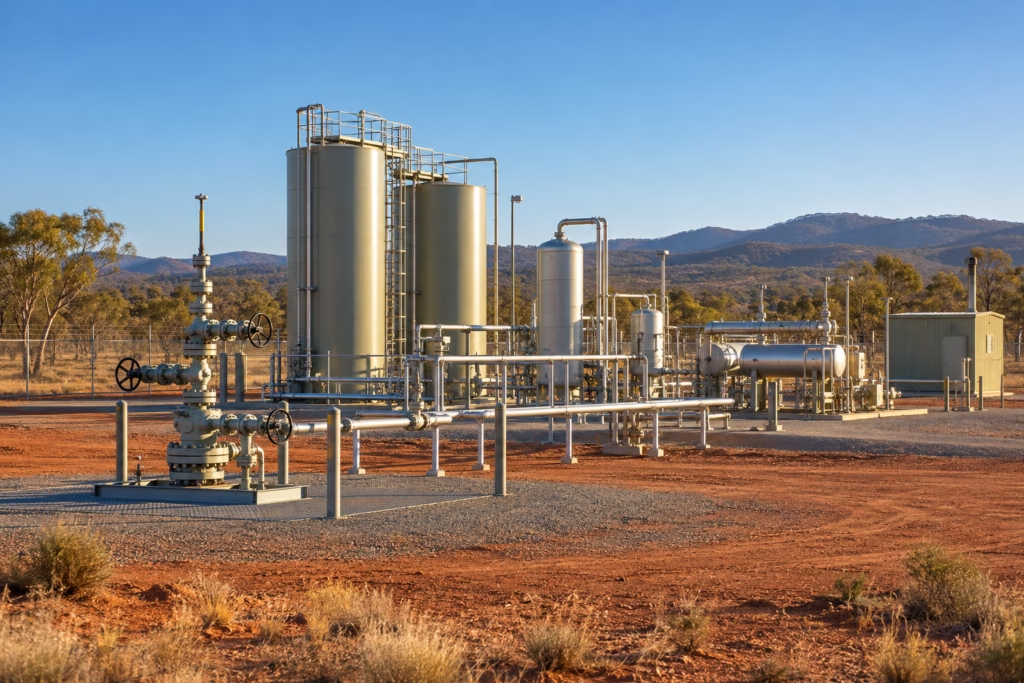
Energy and hazardous-industry assets may be located across large facilities, remote production sites and unmanned locations. Remote monitoring can provide greater visibility between required physical inspections and help teams identify which assets may require attention.
Reduce Routine Site Checks
View compatible measurements remotely and reduce trips made solely to check tank levels or field conditions.
Monitor Remote Locations
Use an appropriate cellular or satellite communications option to monitor selected assets at remote or distributed sites.
Receive Automatic Alerts
Configure alerts for defined limits or unexpected changes so the appropriate person can investigate.
View Multiple Assets and Sites
Bring measurements from compatible tanks, sensors and field equipment across multiple locations into one monitoring platform.
Hazardous & Energy Monitoring Applications
Every hazardous and energy application requires individual assessment. Metromatics can help identify a suitable combination of LevelCon gateway, compatible sensor and communications method for the asset, measured material and installation environment.
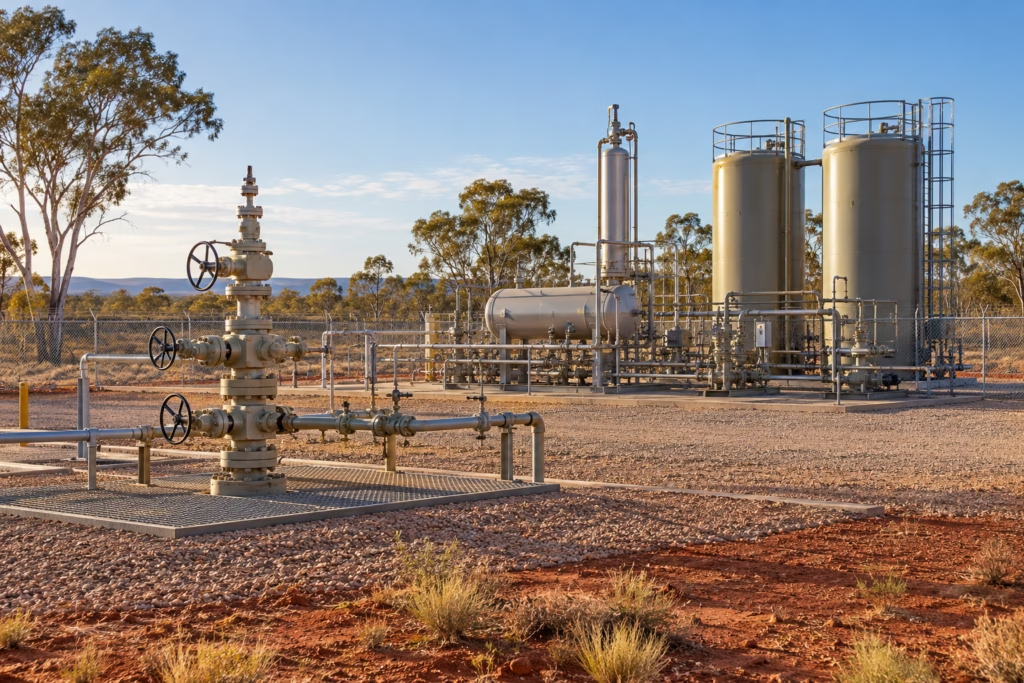
Oil and Gas Sites
Monitor compatible level, pressure, differential-pressure, flow, temperature and other field measurements at wellheads, tank batteries and production sites.
The selected gateway, sensor and installation must suit the site’s hazardous-area classification, gas group, temperature class and operating requirements.
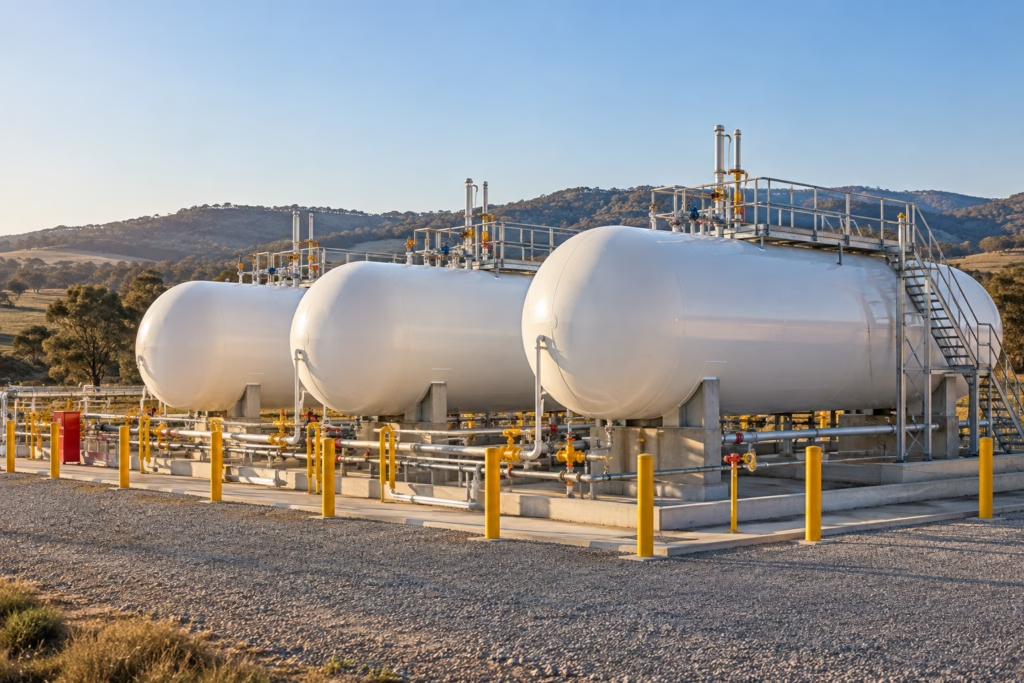
LPG and Propane Storage
Connect compatible tank gauges, senders and sensors to monitor reported LPG or propane levels. The final configuration will depend on the existing gauge, tank, required measurement and installation requirements.
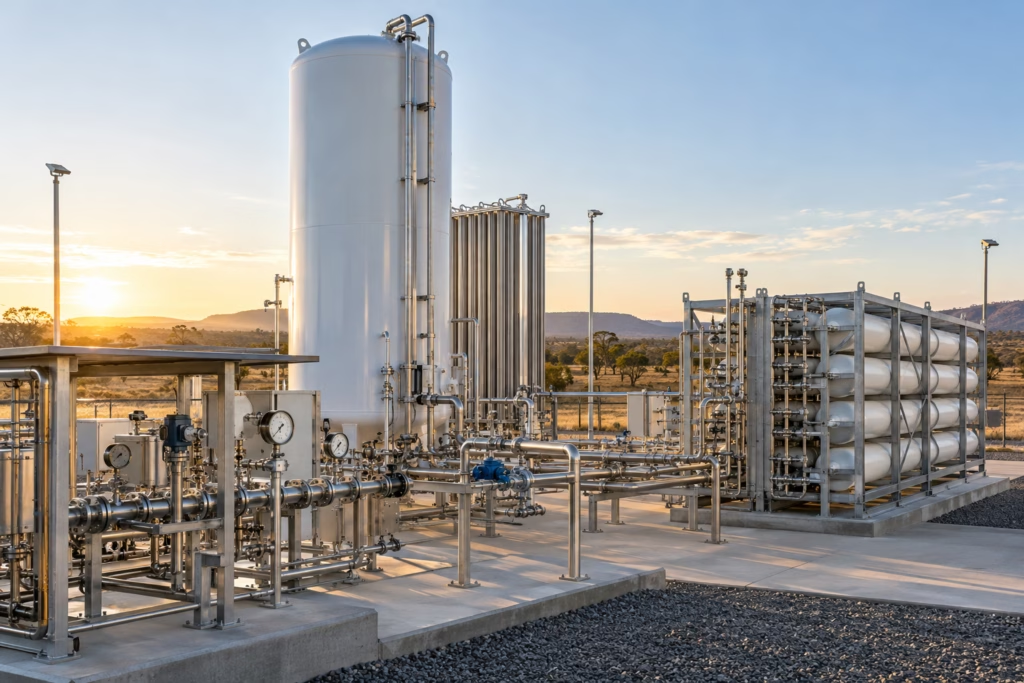
CNG, LNG and Hydrogen Applications
Selected pressure and differential-pressure sensors may support CNG, LNG and hydrogen-related monitoring applications.
Suitability must be confirmed for the specific gas, pressure range, temperature, materials, hazardous-area classification and applicable approvals. Level monitoring should not be assumed unless a suitable sensing method has been confirmed.
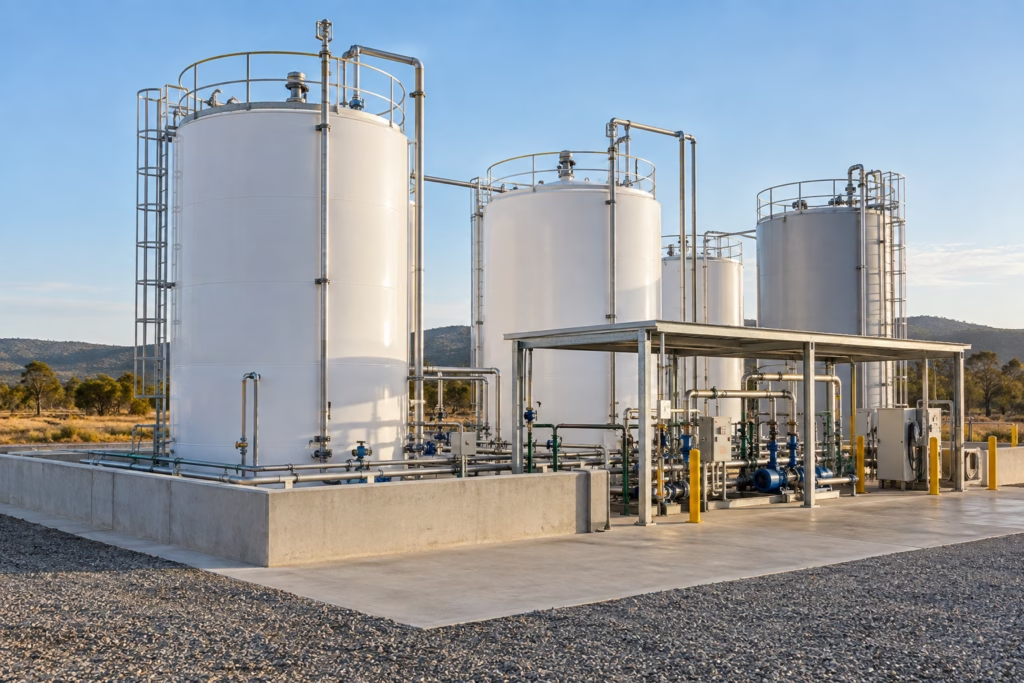
Chemical and Hazardous Liquid Storage
Monitor compatible chemicals and hazardous liquids using appropriately selected contact or non-contact sensors. Sensor materials, seals, measurement technology and certification must be checked against the stored product and environment.
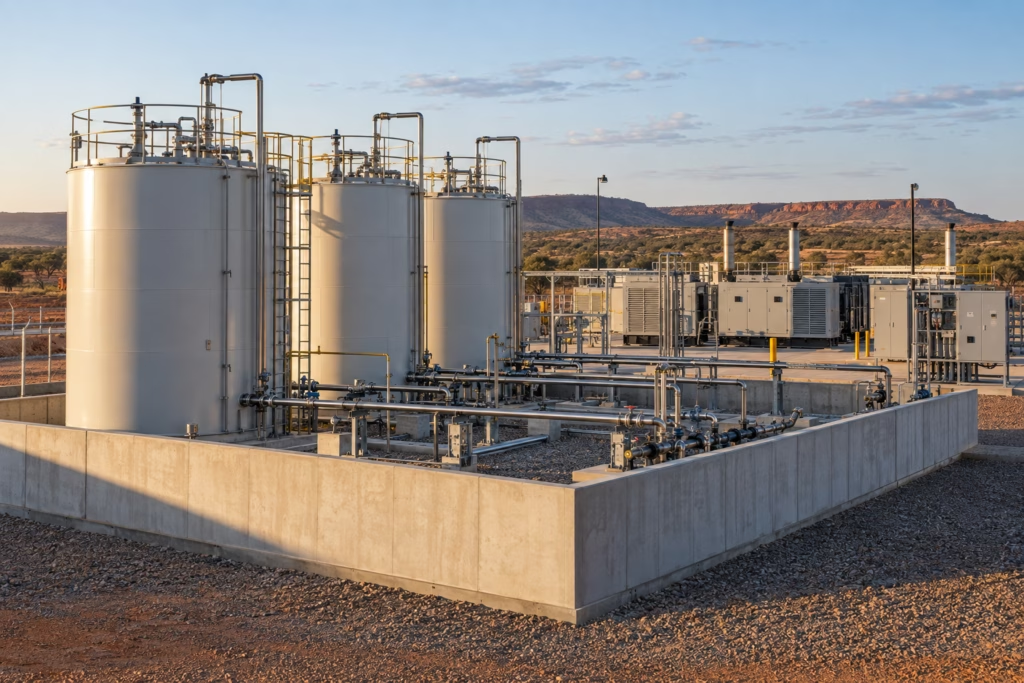
Fuel and Energy Storage
Monitor compatible fuel-storage tanks across power-generation, energy and industrial facilities. Reported levels and defined alerts can provide greater visibility between required inspections and support replenishment planning.
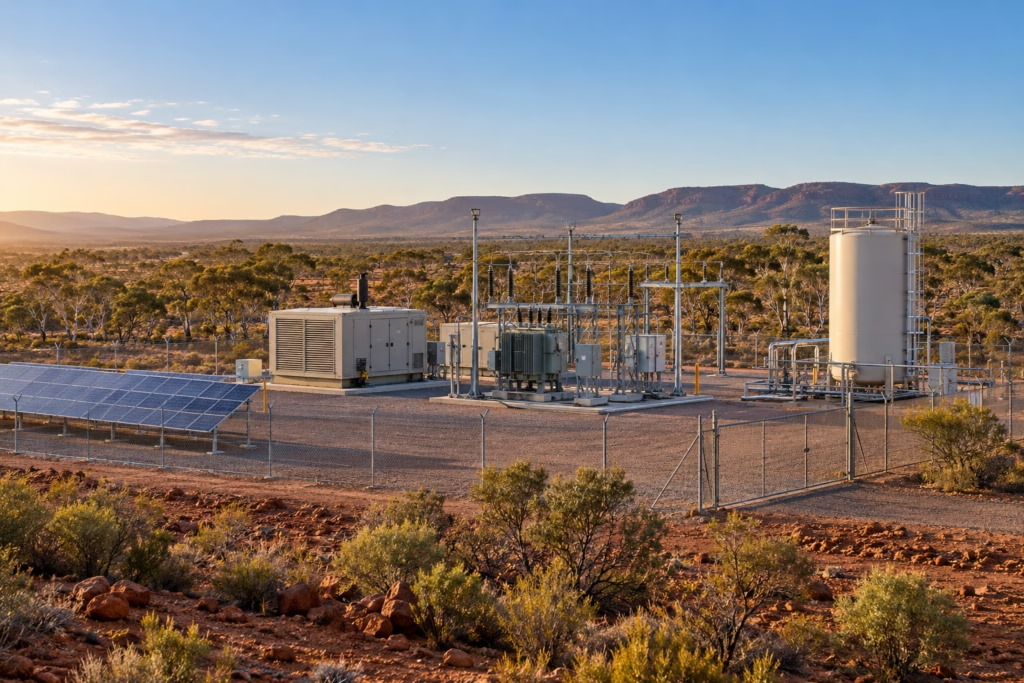
Remote Energy Infrastructure
Monitor compatible tanks and field measurements at remote generation sites, utility installations and distributed energy facilities. Available communications, power, reporting frequency and site conditions will determine the appropriate configuration.
Measure. Connect. Monitor.
Measure
A compatible sensor collects the required measurement, such as level, pressure, differential pressure, temperature or flow.
The sensor must be suitable for the measured material, operating range and hazardous-area requirements.
Connect
A selected LevelCon gateway collects and transmits the measurement using an appropriate cellular, satellite or supported network connection.
The gateway and its installation must be approved for the intended environment.

Monitor
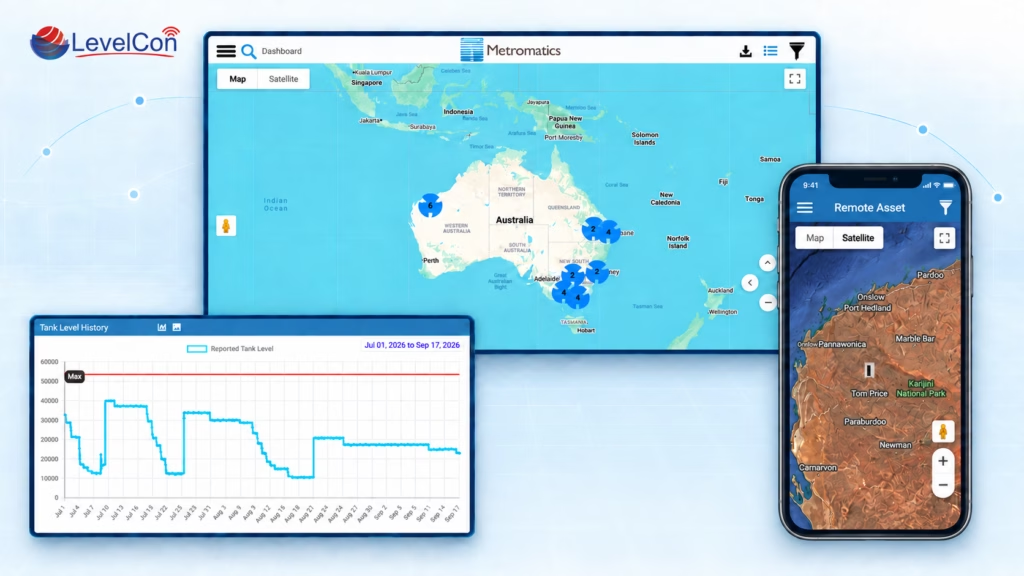
Authorised users can view reported measurements, historical trends, asset locations and configured alert status through the LevelCon platform.
See Your Critical Assets in One Place.
The LevelCon monitoring platform brings connected gateways, sensors and monitored assets into one dashboard. Authorised operators and managers can review reported measurements, historical information and defined alerts from a computer or compatible mobile device.
Depending on the selected equipment and service, users may be able to:
- View reported tank levels and sensor measurements
- Configure relevant high- and low-level alerts
- Review historical trends and usage information
- Monitor assets across multiple sites
- View reported asset locations
- Provide access to authorised team members
- Receive supported notifications when defined conditions occur
- Review selected pressure, flow and temperature measurements
- Integrate compatible information with other systems
Support More Informed Operational Decisions
Remote monitoring can provide additional visibility between required inspections. Current reported measurements, configured alerts and historical information can help teams determine which assets or locations may require attention.
Depending on the application and installed equipment, this information may help teams:
- Prioritise site inspections
- Identify high or low tank levels
- Investigate unexpected measurement changes
- Review historical level, pressure or flow information
- Support replenishment planning
- Monitor distributed or unmanned assets
- Reduce some routine manual checks
- Identify changing conditions earlier
LevelCon provides monitoring information to support operational decisions. It does not replace required inspections, leak-detection systems, process controls, emergency shutdown systems, safety procedures or regulatory obligations.
Equipment for Hazardous Locations
Selected LevelCon gateways and sensors are available with North American Class I, Division 1 or Class I, Division 2 hazardous-location certifications. Certification varies between products and configurations and must be confirmed for the exact equipment being considered.
A North American Class I, Division certification should not automatically be treated as equivalent to IECEx or ANZEx certification.
Before installing any LevelCon equipment in a classified hazardous area in Australia or New Zealand, confirm:
- The exact product and sensor certification
- The site’s hazardous-area classification
- The applicable gas or vapour group
- The required temperature class
- The stored or measured material
- Operating pressure and temperature
- Wiring, mounting and installation requirements
- Whether barriers or other associated equipment are required
- Whether IECEx, ANZEx or another approval is required
- Acceptance by the responsible hazardous-area engineer or relevant authority
Metromatics can help identify available equipment and supporting documentation. Final equipment acceptance and installation approval must remain with the customer’s responsible engineer and appropriately qualified personnel.
Choosing the Right LevelCon Configuration
There is no single configuration for every energy or hazardous monitoring application. The appropriate gateway, sensor, enclosure, power arrangement and communications method will depend on the asset, measured material and installation environment.
To help Metromatics assess the application, tell us:
Applicable site, regulatory and installation requirements
- What the tank, pipe or asset contains
- Tank dimensions and construction
- Required measurements and measurement range
- Normal and maximum operating pressure
- Normal and maximum operating temperature
- Hazardous-area classification
- Gas or vapour group
- Required temperature class
- Required product certifications
- Number and location of assets
- Available power
- Cellular coverage at the site
- Existing sensors, gauges or field instruments
- Required reporting frequency
- Required alerts, reporting or system integration
Integration With Existing Field Equipment
Some sites may already have compatible tank gauges, level sensors, pressure transmitters, flow meters, gas meters or other field instruments. It may be possible to connect selected measurements to an appropriate LevelCon gateway.
Compatibility must be confirmed before equipment is selected. Provide the sensor or instrument model, output signal, power requirements, certification details and existing installation information so the application can be assessed.
Connectivity for Remote Energy Sites
Energy infrastructure can be located where mains power or reliable cellular coverage is limited. Selected LevelCon configurations may support cellular or satellite communications together with battery or solar-assisted power arrangements.
Communications availability, Australian or New Zealand network compatibility, reporting frequency, power consumption and installation conditions must be checked for each site.
Local LevelCon Support for Australia and New Zealand
Metromatics can assist with initial requirements, available product information, sensor and gateway selection, system configuration, integration and ongoing technical support.
We will work with your team to understand the application before recommending potential LevelCon equipment. Final hazardous-area suitability, approval and installation must be confirmed by the customer’s responsible engineer and qualified personnel.
Tell Us What You Need to Monitor
Send us details of the asset, stored or measured material, operating pressure and temperature, required measurements, hazardous-area classification, locations and available communications.
Metromatics will help determine whether a suitable LevelCon monitoring configuration is available for further technical assessment.