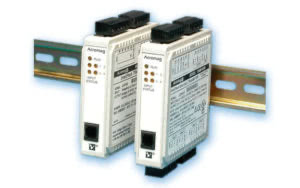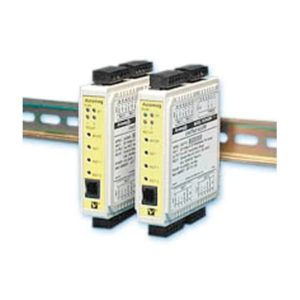
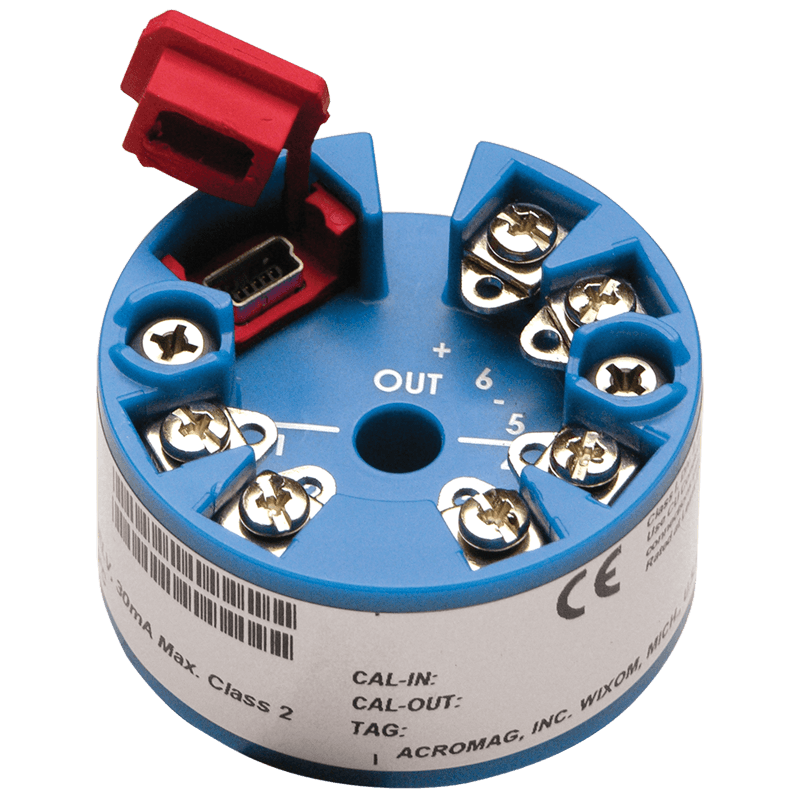
RTD temperature transmitters convert Resistance Temperature Detector (RTD) sensor signals into standard industrial outputs for monitoring, automation and control systems.
Acromag RTD transmitters support common RTD inputs. Including Pt100, Pt1000, Nickel and Copper RTDs and convert these measurements into outputs such as 4–20mA, voltage and industrial control signals, depending on model. These transmitters simplify integration into PLC, SCADA, DAQ and process control systems while improving measurement reliability over long cable distances.
Available options include:
- Single and dual channel models
- 2-wire, 3-wire and 4-wire RTD support
- Loop powered and externally powered transmitters
- High voltage isolation models
- DIN rail and panel mounting options
- USB or local configuration depending on model
Metromatics supplies and supports Acromag RTD temperature transmitters throughout Australia.
What Is an RTD Temperature Transmitter?
An RTD temperature transmitter sits between an RTD sensor and a control or monitoring system.
Its job is to:
- Measure the RTD resistance value
- Convert the measurement into a standard output signal
- Improve immunity to electrical noise and interference
- Deliver a stable signal to PLC, DCS, SCADA or monitoring equipment
RTD transmitters are commonly used when sensors are installed remotely from the control system. Or where improved accuracy and signal conditioning are required.
Why Use an RTD Temperature Transmitter?
Improve measurement reliability
RTD transmitters reduce the effect of electrical noise and signal degradation.
Simplify integration
Outputs such as 4–20mA and voltage signals connect easily into industrial control systems.
Reduce wiring complexity
Loop powered and DIN rail solutions simplify installation.
Support industrial environments
Many models include isolation, surge protection and industrial approvals.
RTD Temperature Transmitter Models
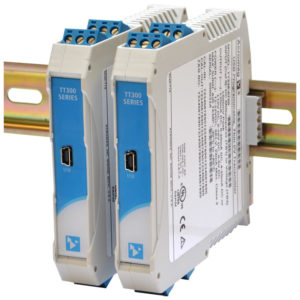
TT335 — Isolated RTD Transmitter (Local or Bus Powered)
Best suited for applications requiring flexible outputs and electrical isolation.
Key features:
- RTD and resistance input support
- Current and voltage outputs
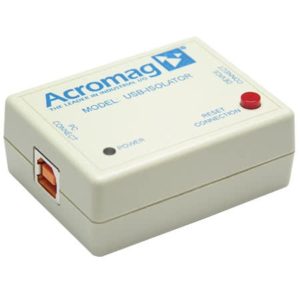
- USB configuration
- 1500V three-way isolation
- Local or DIN rail bus power options
- Fast response and selectable filtering
Typical applications:
- Process control
- Industrial automation
- Water treatment
- Machinery monitoring
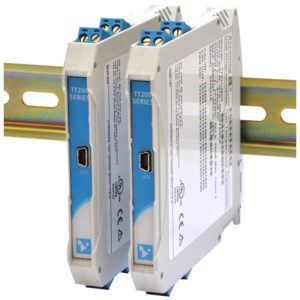
TT231 — Loop Powered RTD Transmitter
A compact two-wire transmitter designed for straightforward RTD measurement applications.
Key features:
- Pt100 and resistance input support
- 4–20mA output
- USB configuration
- Sink/source output operation
- Wide operating temperature range
- Low drift performance
Typical applications:
- Retrofit installations
- Panel builders
- Industrial control systems
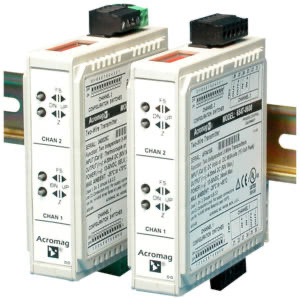
657T / 658T — Single and Dual Channel RTD Transmitters
Suitable where multiple RTD channels or field adjustment are required.
Key features:
- Single or dual channel options
- Pt, Ni and Cu RTD support
- 4–20mA outputs
- DIP switch setup
- Push button calibration
- Compact DIN rail installation
Typical applications:
- High density control cabinets
- OEM equipment
- Process monitoring
ST131 — Loop Powered RTD Input Transmitter
Compact loop-powered RTD conversion for industrial temperature measurement.
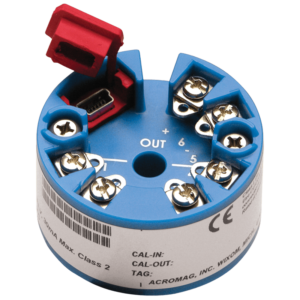
Key features:
- RTD input support
- 4–20mA output
- Loop powered operation
- Compact installation footprint
801T — Universal Temperature Transmitter
For projects requiring one transmitter to support multiple sensor types.
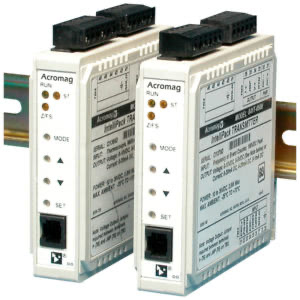
Key features:
- RTD, thermocouple, resistance and mV inputs
- Current and voltage outputs
- Optional relay functionality
- Software configuration
- Signal processing and linearisation
Typical applications:
- Flexible OEM designs
- Mixed sensor environments
- Industrial upgrades
Common Applications
RTD temperature transmitters are commonly used in:
- Manufacturing facilities
- Water and wastewater systems
- HVAC systems
- Utilities and energy plants
- Industrial process control
- Test and measurement systems
- Equipment condition monitoring
- Building automation systems
How to Select an RTD Temperature Transmitter
When selecting a transmitter consider:
Sensor type
Pt100, Pt1000, Nickel, Copper or resistance input.
Output requirement
4–20mA, voltage or other control signal.
Power method
Loop powered, local power or bus powered.
Isolation requirement
Isolation may reduce noise and protect connected equipment.
Configuration method
USB software, DIP switch or field configuration.
Frequently Asked Questions
What does an RTD temperature transmitter do?
It converts RTD resistance measurements into standard output signals that control and monitoring systems can read.
What outputs are available?
Depending on model, outputs include 4–20mA, current and voltage signals.
What RTD sensors are supported?
Models support combinations of Pt, Ni, Cu and resistance inputs depending on transmitter selected.
What is the difference between loop powered and externally powered transmitters?
Loop powered units operate from the signal loop while externally powered models use a dedicated supply.
Are these suitable for PLC and SCADA systems?
Yes. RTD transmitters are commonly used to interface temperature sensors with PLC, DCS and SCADA platforms.
Need Help Selecting an RTD Temperature Transmitter?
Metromatics provides local Australian sales and technical support for Acromag RTD temperature transmitters.
Contact our team to discuss:
- Sensor compatibility
- Integration with PLC or SCADA
- Environmental requirements
- Model selection and pricing