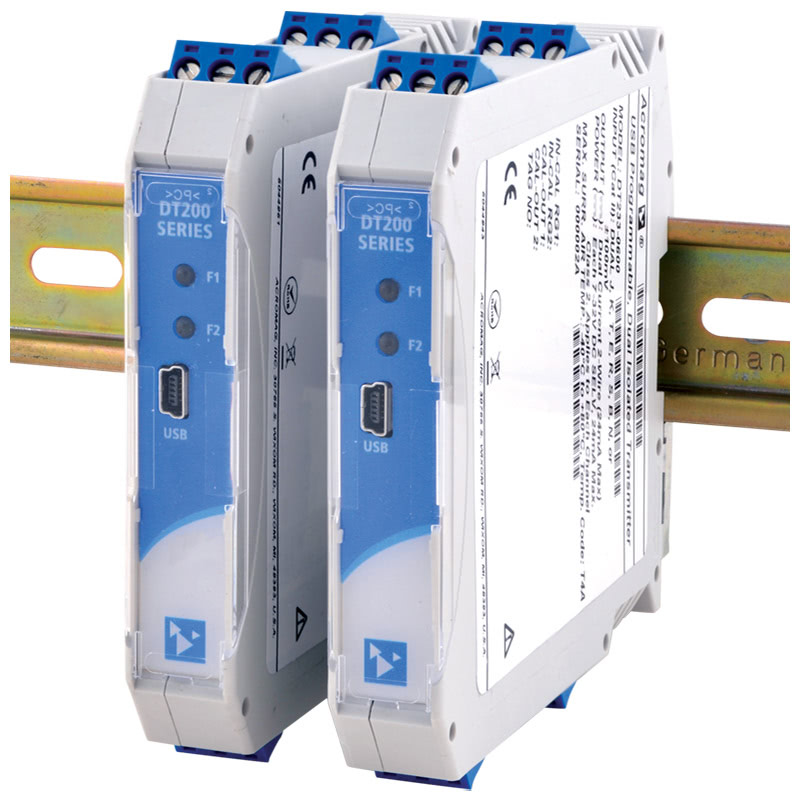
Dual Channel Signal Converters | Process Two Signals in One Device
Dual channel signal converters are designed to process two independent input signals within a single device. Therefore, converting them into standard outputs for PLCs, SCADA systems, and industrial controllers.
By combining two signal paths into one compact unit, these converters help reduce cabinet space, simplify wiring, and improve system efficiency. Making them ideal for modern industrial and OEM applications.
Why Use Dual Channel Signal Converters?
Reduce Panel Space
Replace two single-channel devices with one compact moduleSimplify System Design
Fewer components, less wiring, faster installationProcess Multiple Signals Efficiently
Handle two independent inputs simultaneouslyFlexible Signal Conversion
Convert current, voltage, and temperature inputs into standard outputsImprove System Scalability
Ideal for OEM designs and repeatable system builds
How Dual Channel Signal Converters Differ
Dual channel signal converters are often confused with other signal conditioning devices. Each serves a different purpose:
Signal Isolators
Used to protect signals from electrical noise, interference, and ground loopsSignal Splitters
Used to duplicate a single signal and send it to multiple outputsDual Channel Signal Converters
Designed to process two separate signals within one device, reducing hardware requirements and saving space
👉 For signal duplication, view our Signal Splitters
👉 For electrical protection, view our Signal Isolators
Where Dual Channel Signal Converters Are Used
These devices are ideal where multiple signals need to be processed efficiently within limited space:
Control panels and switchboards
OEM equipment and machinery design
Water and wastewater systems
Mining and industrial processing plants
Energy and utilities infrastructure
Building automation systems
What Does a Dual Channel Signal Converter Do?
A dual channel signal converter:
Accepts two independent input signals
Converts each signal into a required output format
Sends the outputs to control systems such as PLCs or SCADA
Each channel operates independently, allowing two different measurements to be processed within a single device.
Available Configurations
Dual channel signal converters are available in a range of configurations:
Power Options
2-Wire (Loop Powered)
Ideal for field installations with limited power availability
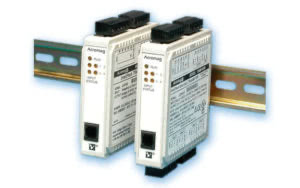
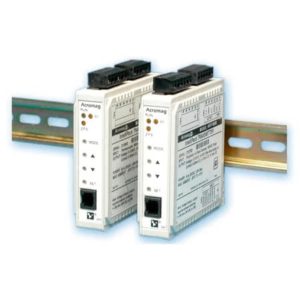
DT-230 Series – 2 Wire
4-Wire (Externally Powered)
Suitable for higher performance and more complex systems
Input Types
4–20mA current
Voltage (0–10V, ±10V)
RTD temperature sensors
Thermocouples
Output Types
4–20mA
Voltage outputs
Configurable signal ranges
Choosing the Right Dual Channel Signal Converter
When selecting a dual channel signal converter, consider:
Number of signals required
→ Ideal when two signals need processing in the same locationPower availability
→ 2-wire for simplicity, 4-wire for flexibilityInput and output types
→ Match to your sensors and control systemInstallation constraints
→ DIN rail mounting, temperature range, and environment
If your requirement is to duplicate or isolate signals, consider dedicated Signal Splitters or Signal Isolators instead.
Key Features
Dual independent signal processing channels
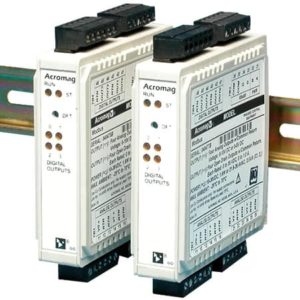
Compact DIN rail mounting design
High accuracy signal conversion
Wide operating temperature range
Software or USB configuration (model dependent)
Industrial-grade reliability
Why Choose Metromatics?
Australian-based technical support
Assistance with product selection and system design
Local stock and fast turnaround
Experience across industrial, transport, and infrastructure projects
Access to globally recognised signal conditioning brands
Need Help Selecting the Right Solution?
Our team can help you determine whether a dual channel signal converter is the right fit for your application.
➡️ Request a Quote
➡️ Speak to an Engineer
Frequently Asked Questions
What is a dual channel signal converter?
A device that processes two independent input signals and converts them into standard outputs for industrial control systems.
Is this the same as a signal splitter?
No. Signal splitters duplicate one signal, while dual channel converters process two separate signals.
Is this the same as a signal isolator?
No. Signal isolators focus on protecting signals from electrical interference, while dual channel converters focus on multi-signal processing.
When should I use a dual channel converter?
When you need to process two signals in the same location while reducing panel space and simplifying system design.
The DT-230 Series Models consist of 2 wires. They are loop powered and offer 4-20mA Output
The DT-330 Series Models consist of 4 wires. They have external 6-32V DC Power source. Plus offer 4-20mA, 0-10V and +/-10 Volt Output.
Finally, for more information, contact us.